When Battlegrounds Turn Within: Arjuna’s Inner Breakthrough (Gita 1.25–1.30)
Section 1 – Verses with Translation
Verse 1.25
भीष्मद्रोणप्रमुखतः सर्वेषां च महीक्षिताम्।
उवाच पार्थ पश्यैतान् समवेतान् कुरूनिति॥ २५॥
Translation:
Placing the chariot before Bhishma, Drona, and all the rulers of the earth, Krishna said:
“O Partha, behold these Kurus gathered here.”
Verse 1.26
तत्रापश्यत्स्थितान् पार्थः पितॄन् अथ पितामहान्।
आचार्यान् मातुलान् भ्रातॄन् पुत्रान् पौत्रान् सखींस्तथा॥
श्वशुरान् सुहृदश्चैव सेनायोरुभयोरपि॥ २६॥
Translation:
There, Arjuna saw standing in both armies: fathers, grandfathers, teachers, maternal uncles, brothers, sons, grandsons, friends, fathers-in-law, and well-wishers.
Verse 1.27
तान्समीक्ष्य स कौन्तेयः सर्वान्बन्धूनवस्थितान्।
कृपया परयाविष्टो विषीदन्निदमब्रवीत्॥ २७॥
Translation:
Seeing all his relatives assembled there, the son of Kunti was filled with deep compassion and spoke these words in sorrow.
Verse 1.28
अर्जुन उवाच —
दृष्ट्वेमं स्वजनं कृष्ण युयुत्सुं समुपस्थितम्।
सीदन्ति मम गात्राणि मुखं च परिशुष्यति॥ २८॥
Translation:
Arjuna said:
“O Krishna, seeing my own people here, eager for battle, my limbs weaken, and my mouth becomes dry.”
Verse 1.29
वेपथुश्च शरीरे मे रोमहर्षश्च जायते।
गाण्डीवं स्रंसते हस्तात्त्वक्चैव परिदह्यते॥ २९॥
Translation:
My body trembles, my hair stands on end, my bow Gandiva slips from my hand, and my skin burns all over.
Verse 1.30
न च शक्नोम्यवस्थातुं भ्रमतीव च मे मनः।
निमित्तानि च पश्यामि विपरीतानि केशव॥ ३०॥
Translation:
I am unable to stand steady; my mind is reeling. I see only omens of misfortune, O Keshava.
Section 2 – Scene Setting– Arjuna’s inner battle
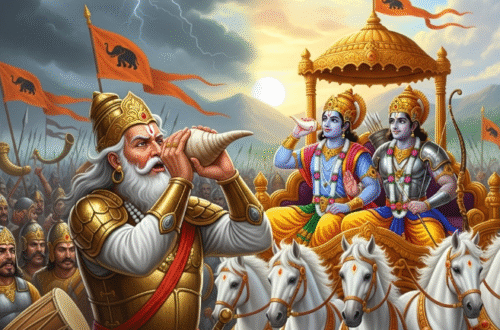
A great war is about to start at the battlefield of Kurukshetra. Conch shells have already been blown, Deadly war cries echo across the plains, and both armies stand ready for bloodshed. Arjuna, the great warrior, stands on his chariot with Lord Krishna as his charioteer.
Responding to Arjuna’s request to place the chariot between the two armies, Krishna positions it right in front of Bhishma and Drona — two figures Arjuna deeply respects, admires,loves, and owes allegiance to. Around them stand other revered elders, family members, and close friends, now posed as enemies.
From this vantage point, Arjuna’s eyes sweep across the battlefield. What he sees is not just an army — but his own people: teachers who guided him, elders who blessed him, cousins he grew up with, and friends who once laughed with him. Each face carries a memory, and every memory now stands under the shadow of death.
This is the moment when the physical reality of battle collides with the emotional reality of relationships. And seeing all those dear ones Arjuna’s confidence begins to melt away, replaced by the human instinct to protect and preserve loved ones. His bow feels heavier, his body weaker, and his heart unsettled. Arjuna’s inner battle now stands at the threshold, a fight far more daunting than any clash of weapons.
Section 3 – Symbolic Reflections– Arjuna’s Inner Battle and Our Modern Struggles
Our live are no different from Arjuna’s inner battle. The battlefield isn’t always outside us — most of the time, it’s inside.. And when we finally decide to face it, we see our enemies lined up: our ego, our toxic habits, our comfort zones, our addictions, and even the version of ourselves we’ve been living with for years.
These aren’t just “bad habits” we can casually replace with good ones. These are the Bhishma and Drona within us — the pillars that once trained us, guided us, and gave us an identity. Our old self — even if it’s flawed — is still familiar. It has shaped how we think, how we react, how we survive. And now we’re being asked to destroy it.
That’s why real change feels terrifying.
It’s not just building a new routine — it’s burning down the old temple and watching the ashes of who we used to be scatter in the wind. It’s killing the version of you that has been your constant companion for years. And the mind resists it with everything it’s got — trembling hands, shaky legs, a mind that feels like it’s spinning.
Facing Arjuna’s inner battle within ourselves is the truest test of courage. Because deep down, you know that when you win, you as you know yourself will no longer exist. And that’s the price of becoming someone greater.
Section 4 – Closing Insights– Lessons from Arjuna’s Inner Battle
Arjuna’s breakdown on the battlefield is not weakness — it’s the moment truth hits without a filter. We often think heroes feel no fear, but the reality is that they feel it more intensely than anyone else. The difference is what they eventually choose to do with that fear.
When Krishna placed Arjuna before Bhishma and Drona, it was intentional — it was a spiritual setup. Sometimes life will put you face to face with the exact things you least want to confront — your own Arjuna’s inner battle — because that’s where your real transformation waits.
You can avoid the fight, distract yourself, and cling to the comfort of who you’ve always been — but then you stay in the same life, with the same struggles, playing the same story again and again. Or you can choose to pick up the bow, even with trembling hands, and start striking down the parts of yourself that no longer serve you rather harm you in long term.
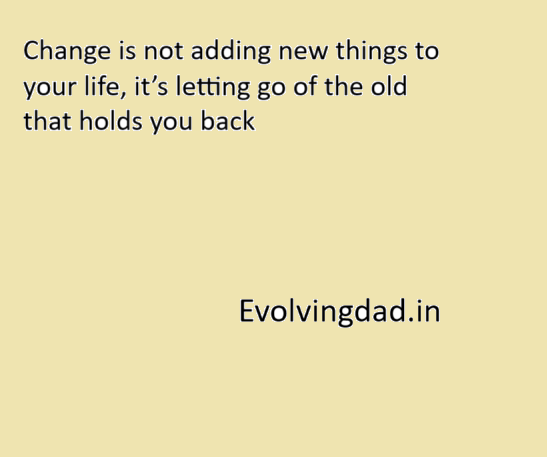
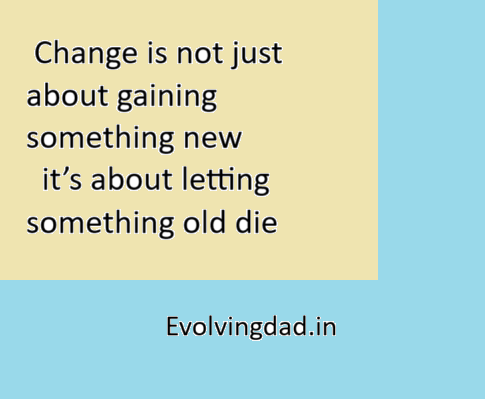
The Bhagavad Gita reminds us here: change is not just about gaining something new; it’s about letting something old die. And that death is uncomfortable, personal, and sometimes heartbreaking. But on the other side of it, a new you is born — stronger, freer, and unshakable.
Would you like to fight your inner enemies? Have courage and do it
Read here about Geeta Verses 1.20–1.24: A Chariot Stopped Between Right and Wrong
You May Also Like
2 Comments
Pingback:
Pingback: